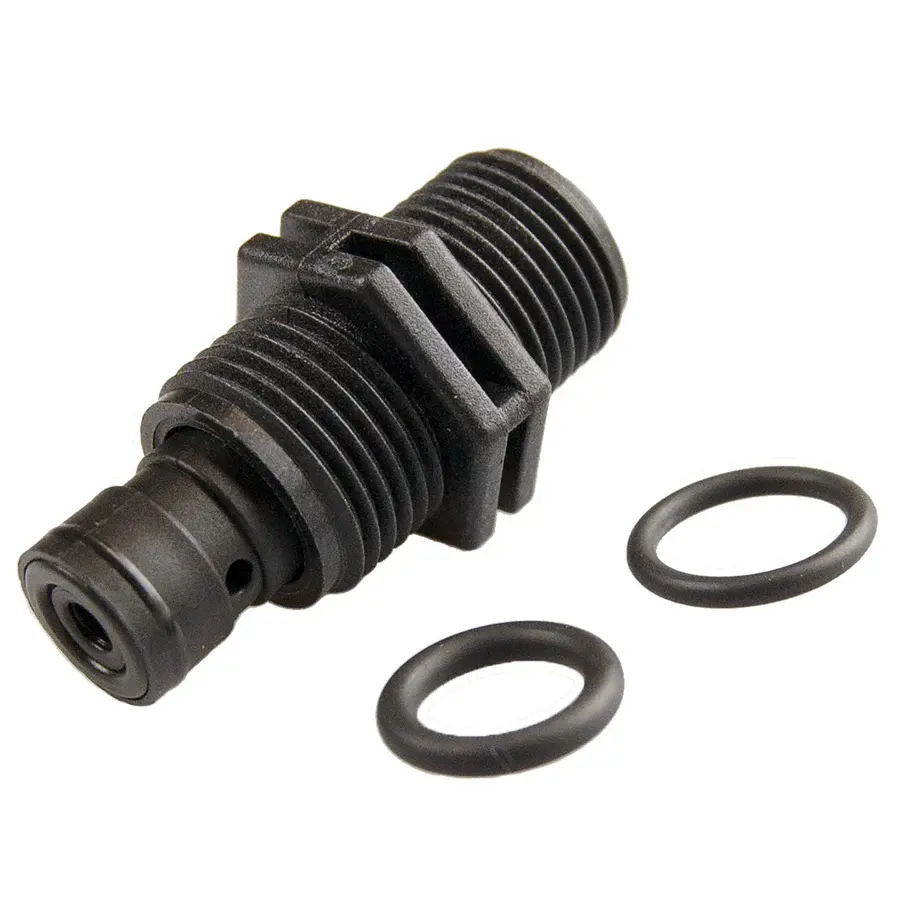
Pressure Valve for Cleaning Agent Pump (Lely A4 & A5 Compatible)
Compatible with Acid/Brush Disinfectant (Black Pump) & Alkaline Detergent (Orange Pump)
Maintain the precise chemical dosing of your Lely Astronaut A4 or A5 with this high-performance Pressure Valve. This critical component is designed for the peristaltic pumping units that handle your daily wash cycles and brush disinfection.
In a robotic milking environment, the consistency of your cleaning agents is non-negotiable. This valve ensures that once the pump pushes the chemical through, there is no backflow or siphoning, keeping your titration levels accurate and your milking system hygienic.
Features & Benefits
- Dual-System Compatibility: Engineered to work seamlessly with both the Black Pump (used for Acid and Brush Disinfectant) and the Orange Pump (used for Alkaline Detergents).
- Chemical-Resistant Construction: Built from high-grade synthetic materials specifically tested to withstand the corrosive nature of concentrated dairy acids and heavy-duty alkaline cleaners.
- A4 & A5 Optimized: A direct technical match for the latest generations of Lely Astronaut robots, ensuring the correct opening pressure for efficient chemical delivery.
- Prevents Backflow: Acts as a reliable check-valve to prevent chemicals from draining back into the containers, ensuring the lines stay primed for the next wash cycle.
- Durable Seal: Features industrial-grade internal seals that resist "swelling" or hardening, even with 24/7 exposure to teat disinfectants.
Product Specifications
|
Feature
|
Details
|
|
Component Type
|
Pressure / Check Valve
|
|
Pump Compatibility
|
Black (Acid/Disinfectant) & Orange (Alkaline)
|
|
Robot Compatibility
|
Lely Astronaut A4 & A5
|
|
Application
|
Cleaning Agent Dosing & Brush Hygiene
|
|
Material
|
Acid/Alkali Resistant Polymer
|
Maintenance Tip
If you notice your robot is flagging "low chemical" alarms despite having full containers, or if your teat brushes aren't getting adequate disinfectant, it is often a sign that a pressure valve is stuck or clogged with crystallized chemical.
We recommend replacing these valves annually—or during your major service intervals—to ensure your CIP (Clean-In-Place) system remains 100% effective.